One of the most important natural disasters in American history still is the 1906 San Francisco earthquake. When it hit on April 18, 1906, it destroyed all around the city. P. Barrett was among the voices that arose from this disaster as he gave a gripping account of the events as they happened. His story not only depicts the immediate anarchy of the earthquake but also provides understanding of the human experience during such a catastrophic occurrence. P. Barrett Describing the San Francisco Earthquake 1906 the specifics of Barrett’s findings, the aftermath of the earthquake, and how it still affects San Francisco will be discussed in this page.
The Devastating Impact of the Earthquake
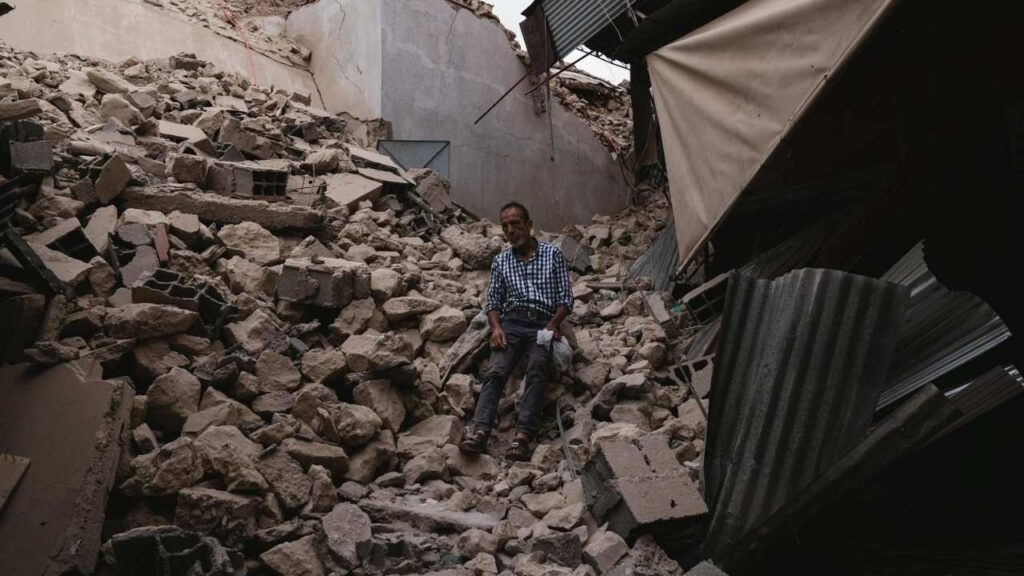
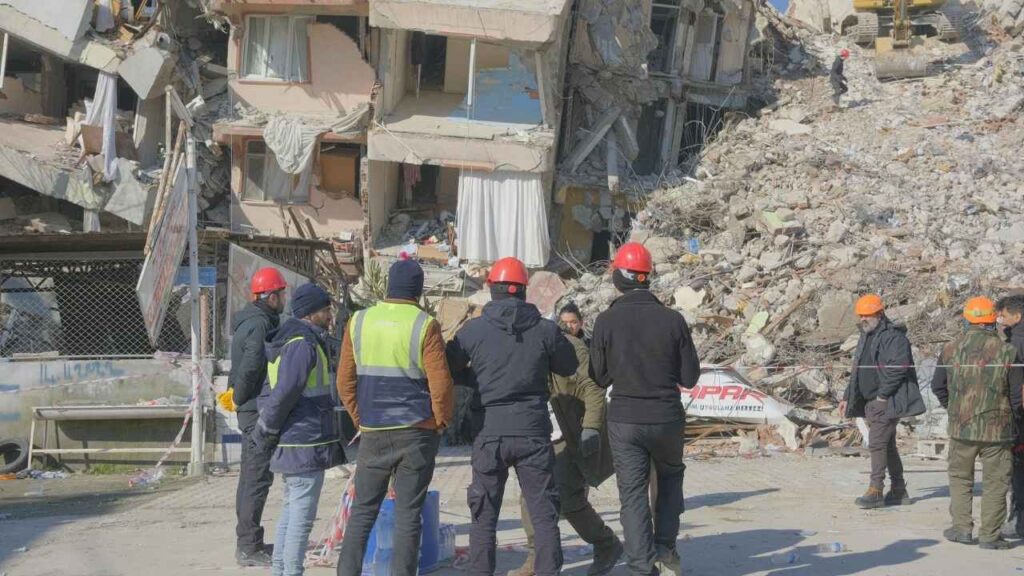
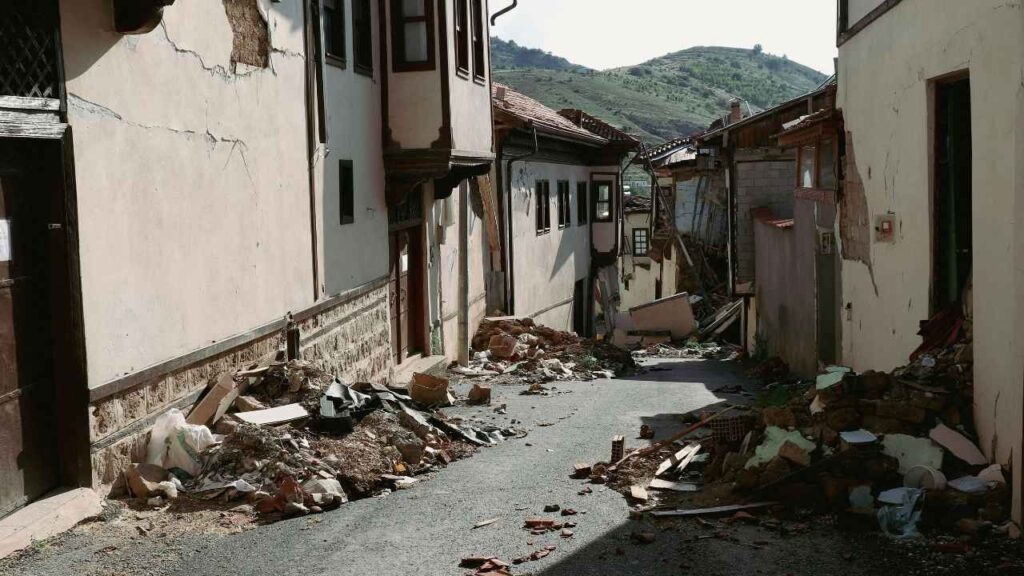
P. Barrett’s account of the San Francisco earthquake emphasizes the city’s instantaneous and catastrophic effects from the disaster. The ground shook fiercely at about 5:12 AM, and structures collapsed under the extreme weight. Barrett observed how terror among the locals resulted from the earth seeming to roll like waves. Many woke up from their slumber startled and saw their houses were in disarray. The air became a chorus of anarchy as glass broke and buildings collapsed. Barrett created a clear image of the devastation as he related the events around him, as once-sturdy buildings lay destroyed and roadways were inaccessible.
P. Barrett’s Personal Experience
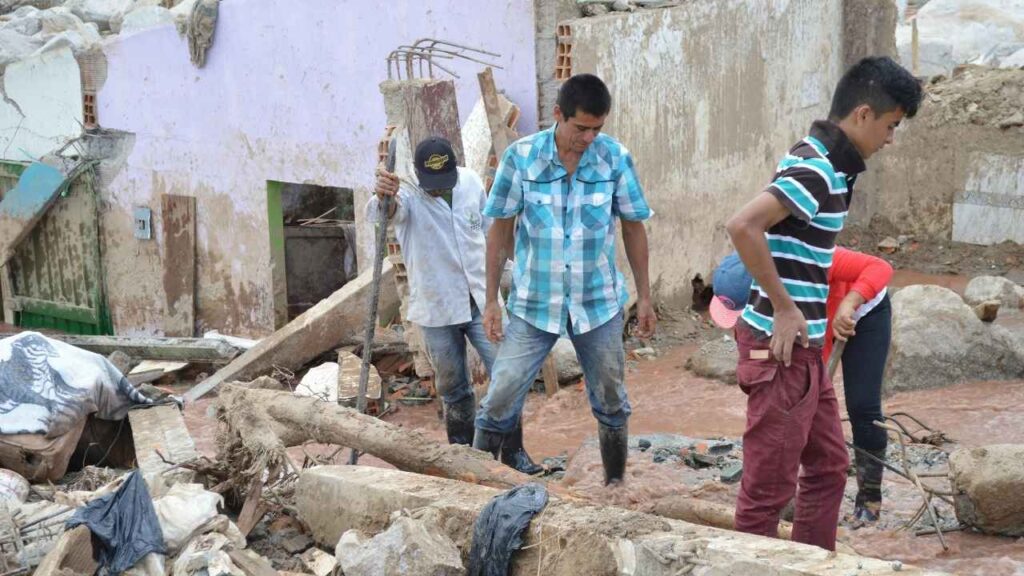
P. Barrett’s personal story gave the earthquake a human component in the aftermath. He was assisting neighbors and strangers both as he negotiated the ruins. Barrett spoke of the city’s engulfed overpowering sense of uncertainty and terror. People seek help in the hectic surroundings as they are unsure about the safety of their loved ones. Barrett noted the community’s resiliency in spite of the damage. Neighbors pulled together to provide consolation and support against hardship. His story is evidence of the power of human spirit even under the most challenging conditions.
Fires and Further Destruction
Although the earthquake itself did major damage, P. Barrett stressed that the following fires were just as disastrous. The earthquake cracked gas pipes, starting quick flames around the city. Barrett remembered how flames covered whole communities, producing a terrible scene of smoke and fire. Already traumatized by the earthquake, many were worried about fire destroying their houses and possessions. Overwhelmed, the firemen battled to suppress the fire while handling earthquake consequences. Barrett’s story catches the two aspects of this catastrophe: the first shock of the earthquake and the later fires aggravating the damage.
The Human Cost of the Disaster
The San Francisco earthquake of 1906 claimed an amazing death toll as well as property devastation. P. Barrett’s accounts capture the great personal impact of this catastrophe. Estimates point to thousands more injuries and over 3,000 deaths among other losses. Many of the occupants discovered they were homeless; whole areas were covered in ash and debris. Barrett highlighted the terrible tales of families split apart and those frantically looking among the turmoil for loved ones. As communities battled loss and grief, the calamity had a great emotional toll. His narrative emphasizes the resiliency and fortitude of people who survived, therefore reminding us of the personal tales underneath the numbers.

Government Response and Recovery Efforts
Following the earthquake and fires, local and federal governments’ reaction became rather important. P. Barrett noted how fast officials responded to help the impacted citizens. Initiated relief projects aimed at giving people in need food, cover, and medical attention. The displaced were housed in temporary camps, and organizations like the American Red Cross were absolutely crucial in the healing process. Barrett’s narrative highlights the need for communal cooperation at this period, as volunteers assist their neighbors. Although the road to recovery was lengthy and full of difficulties, the reaction underlined the group’s effort to reconstruct a devastated city.
I Survived the San Francisco Earthquake 1906 Summary
Summary of Events
Devastating natural calamity, the San Francisco earthquake of 1906 permanently altered the city. P. Barrett and other survivors gave first-hand reports of the devastation, anarchy, and fortitude seen during this period. Key ideas are succinctly summarized here:
- Date and Time: Occurred on April 18, 1906, at 5:12 AM.
- Magnitude: Estimated magnitude of 7.8, causing widespread destruction.
- Immediate Impact: Buildings collapsed, streets became impassable, and panic ensued.
- Fires: Gas line ruptures led to massive fires that worsened the disaster.
- Death Toll: Estimates of over 3,000 lives lost, with countless injuries.
- Displacement: Thousands left homeless; communities rallied to support each other.
- Recovery Efforts: Government and organizations mobilized for relief and rebuilding.
The core of what P. Barrett and other survivors who went through this historic event are summed up here.
The Legacy of the Earthquake
The San Francisco earthquake of 1906 had an impact well beyond the immediate aftermath. Preserving the experiences of people who lived through this disaster, P. Barrett’s story is a priceless historical record. Emphasizing the requirement of earthquake-resistant construction, the event brought notable changes in urban planning and building rules. San Francisco passed more stringent rules to make sure next constructions might resist seismic activity. Moreover, the incident raised increased knowledge of the hazards connected to living in places prone to earthquakes, which affected policy and preparation campaigns in California and other states.
Cultural Reflections and Commemoration
San Francisco changed its story in the years after the earthquake to become one of resiliency and rebirth. P. Barrett’s writings reminded next generations of the value of community and healing, therefore helping to form the shared memory of the calamity. Different monuments and public artworks pay tribute to the lives lost. To guarantee that the tales of survivors are always conveyed, annual events and educational initiatives are carried out. Many authors and artists have found inspiration in the resiliency shown during those difficult times, so clearly impacting society, literature, and art.
Lessons Learned from the Disaster
The San Francisco earthquake of 1906 taught important lessons regarding reaction and readiness for a calamity. P. Barrett’s findings underscore how ready communities should be for crises. One very important lesson is the need of having an emergency plan with routes of escape and communication tools in place. Communities discovered that during a crisis educated knowledge and preparation might save lives. The tragedy also underlined the need of designing rules that give durability and safety first priority. These lessons still guide policies and actions meant to reduce the effects of next earthquakes.
The Role of Community Resilience
P. Barrett’s narrative revolves on the community’s resilience in the face of calamity. Neighbors gathered to help one another, therefore proving the power of personal connection amid trying circumstances. This togetherness reminds us strongly of the need of community in conquering difficulty. Many of the people living in the area volunteered to help with recovery following the earthquake, displaying a great degree of harmony. Barrett’s story highlights how, even if they might split communities, calamities can also unite individuals and provide a shared goal.
San Francisco Earthquake of 1906 vs. Other Major Earthquakes
| Feature | San Francisco Earthquake of 1906 | Other Major Earthquakes |
| Magnitude | Estimated 7.8 | Varies widely; some exceed 9.0 |
| Impact Area | Primarily San Francisco | Can affect larger regions or multiple states |
| Death Toll | Over 3,000 fatalities | Varies; some earthquakes have higher casualties |
| Aftermath | Fires led to further destruction | Recovery efforts vary based on local response |
| Building Codes | Led to stricter building regulations | Other regions also updated codes post-disaster |
| Community Response | Strong community solidarity and support | Response varies; some communities show less resilience |
| Historical Significance | Pivotal in shaping earthquake preparedness | Each earthquake has its unique historical implications |
Conclusion: Remembering the San Francisco Earthquake of 1906
Finally, P. Barrett’s accounts of the 1906 San Francisco earthquake provide a moving window into one of America’s most catastrophic natural events. His first-hand narrative catches the anarchy, damage, and human spirit that followed the earthquake. By means of his observations, we get an important understanding of the experiences of people who went through this horrific catastrophe. San Francisco is still shaped by the earthquake, which also affects construction techniques, community resilience, and attempts at disaster readiness. Remembering this turning point in history calls for us to respect the narratives of survivors and absorb the lessons their experiences teach. The San Francisco earthquake of 1906 reminds us of the force of nature and the will of the human spirit in conquering difficulty.
FAQ’s
1. What caused the San Francisco earthquake of 1906?
Tectonic plate movement along the San Andreas Fault was mostly responsible for the 1906 San Francisco earthquake. Renowned for its seismic intensity, this fault line spans California. With an estimated strength of 7.8, the earthquake caused great damage and a notable death toll.
2. How did the earthquake impact the city of San Francisco?
Thousands of buildings collapsed and infrastructure suffered great damage from the earthquake. Furthermore aggravating the damage were exploded gas lines starting large-scale fires. With estimates of over 3,000 deaths, the city suffered a major death toll as well as many more left homeless.
3. What lessons were learned from the San Francisco earthquake?
The 1906 earthquake made clear how urgently better construction rules and disaster readiness are needed. San Francisco thus tightened building rules to guarantee that structures might survive further seismic shocks. The catastrophe underlined the need for community resilience and emergency preparation as well.