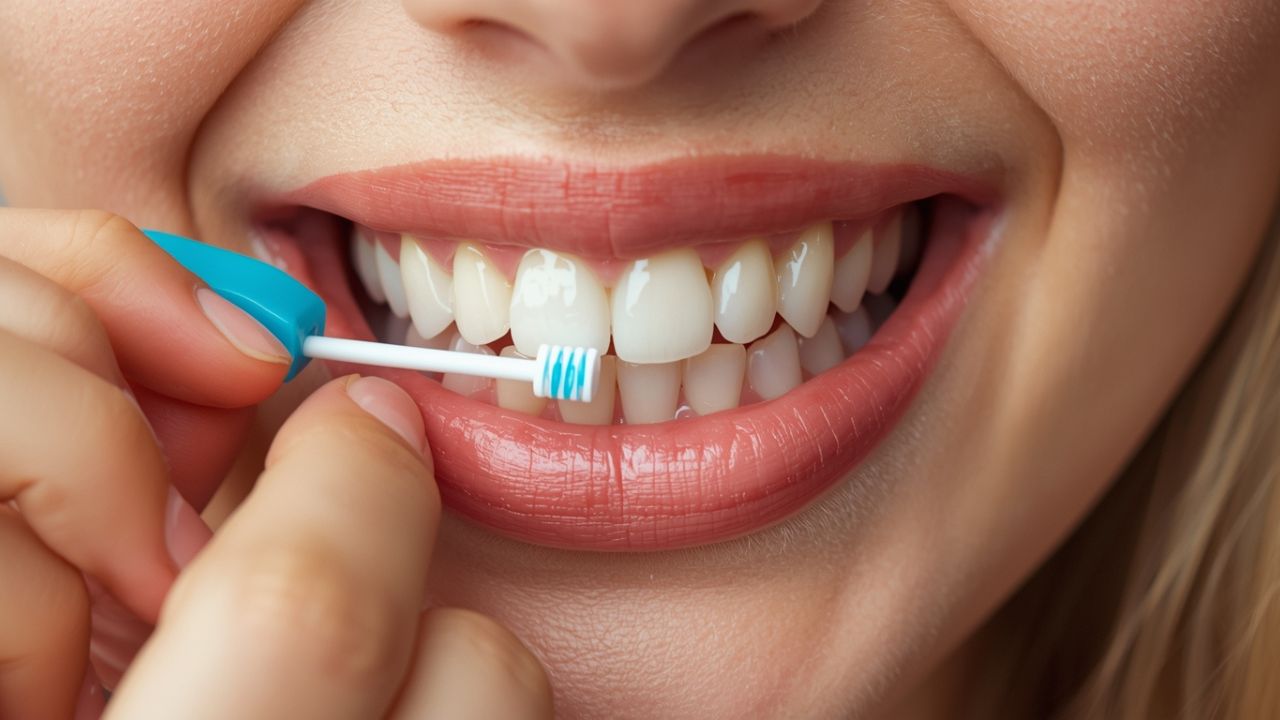
Figuring out how to rightly treat your floss teeth fillings after a tooth stuffing is a normal and key question. The way of floss near teeth fillings work wants some know-how to make sure it is both real and sure for your new fix. This guide gives sharp, true info on the best ways for keeping mouth cleanliness when you have stuffings.
We will look at the right ways, talk about normal fears, and say the logic behind each tip. Our aim is to give you the smarts you need to boldly treat your tooth work, help your full mouth health, and know the part flossing takes in how long your stuffings last. Let’s check the most real ways to add this key habit into your day plan.
The Importance of Flossing for Filling Longevity
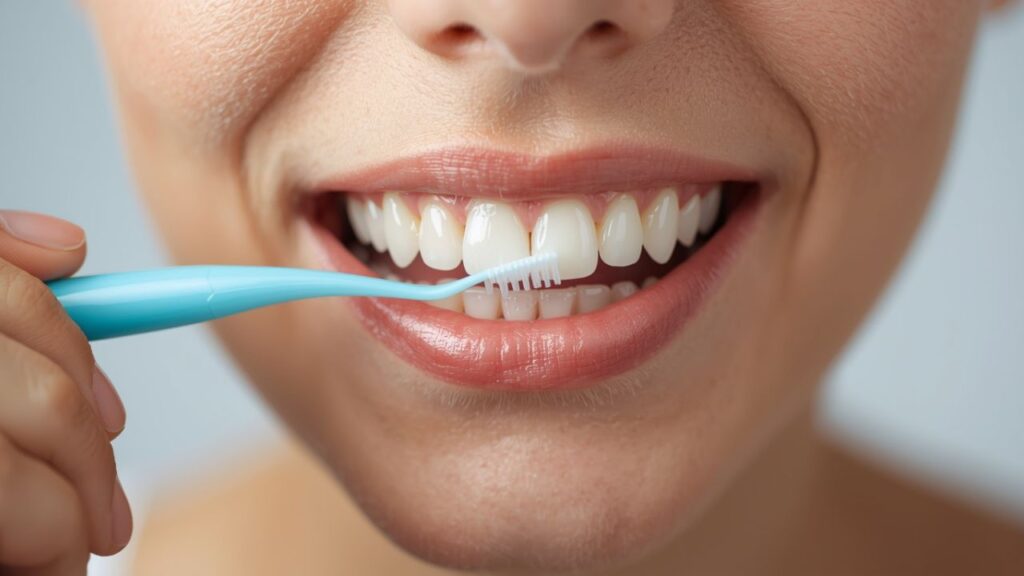
Flossing takes a base part in the long run and the strength of your tooth stuffings. The spot where the stuffing sticks to your real tooth shape makes a tiny crack that can grab food bits and goo. This coat of germs makes acids that can cause come-back rot, which is a new hole made at the edge of the fix that is there.
Sticking to and right flossing is the most real way for taking this goo from these weak spots by hand. By stopping the germ from growing day by day, you keep the stick between the stuffing and your tooth. This stop act is key for not getting more hard tooth woes down the road and is a key thing in upping how long your tooth work lasts.
When to Resume Flossing After a Dental Procedure
The right time to start flossing after you get a new stuffing hangs first on the sort of fix stuff your tooth man used. For most new mix stuffings (tooth-color), the stick stuff heals to a very high might right away under the tooth heal light. This means you can mostly start your flossing plan on the same day as you go in.
Though, if you have a short stuffing put in, it is mostly best to wait at least a day to let the stuff set all the way and to be more soft when you do floss. The most right guide will ever come from your tooth pro, as they can give tips made for the spot and how hard your stuffing is and the stuff used to put it in.
The Correct Technique for Flossing Around Restorations
A smooth trick matters for the best clean while dodging bad pressure on your tooth patch. You must begin by taking enough floss, like 18 units, for a new part between each spot. Softly lead the floss through teeth by a slow, saw-like move to and fro. Don’t snap floss right through the touch spot, as this makes a push that hurts the patch joint. When the floss gets through your teeth fillings, bend it like a C against one tooth and softly move it up and down, near the gum line. Do this on the tooth with the patch, soft clean the fix base, then take floss out with that soft move.
Selecting an Appropriate Type of Dental Floss
Many floss picks let you grab one that fits best for your tooth shape and the fixes you got. A plain waxed floss acts good as the wax helps floss slip past tight spots without breaks. For teeth fillings with huge holes or near tooth bridges, tape or floss made for this might act better and feel nice. Water floss tools show a cool choice for peeps who think floss is hard to use; the beat of water can clean near fix lines real good. The top pick is what feels simple to keep using, as doing it a lot is key for good health.
Addressing Common Flossing Concerns and Issues
It’s okay to feel stuff when you first floss near a new fix. Some snag or push might hit due to junk stuff left, which goes off after days of soft floss use. If your floss breaks or snags in one spot a lot, a sharp edge or fix drop might need a fix pro. Don’t force floss or change how to yank it out, as this might make the fix go away. If a snag hangs on, calling your tooth doc is best. They fix the spot to make a smooth place for floss to slide well.
Understanding the Link Between Flossing and Recurrent Decay
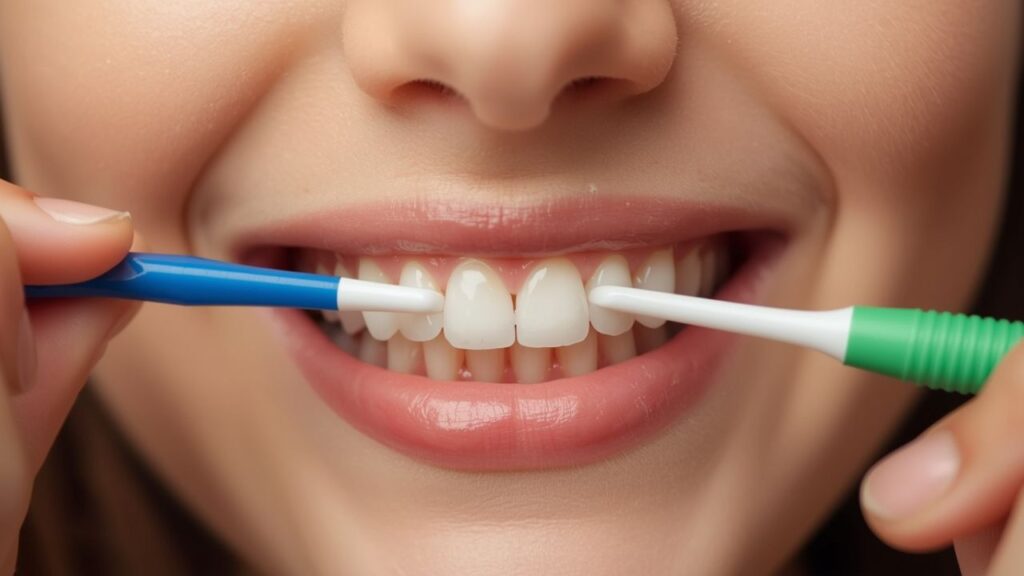
The key mouth wellness logic for stringing around stuffings is to block the start of repeat rots, a breakdown at an old fix’s rim. The gunk that piles in the tight spots ‘tween teeth is really sour and eats the tooth stuff away. When this hits at a fix’s border, it can hurt the fix and wreck its seal, which makes it flop. Mending repeat rot is harder than the first hole, as it means ditching the old fix, fitting a bigger one, or a crown. Stringing each day is a sure, strong guard against this tooth woe, safe for your fix and tooth base.
Developing a Consistent and Sustainable Flossing Routine
Tucking right stringing into your daily go is the last move to keep your fixes and real teeth hale long-term. The trick is doing it often, not hard; soft, right moves each day beat hard, odd scrubs. Folks find it good to make a plan by pairing stringing with a set act, like teeth brushing before sleep. Keep your string where you can spot it in your washroom as a visual nudge. This short, few-minute stake in your day is a top act for mouth health, helps fix last, and stops tooth issues.
Understanding the Anatomy of a Filling and Why It Needs Protection
To see why stringing is key, know a bit about how stuffing works. A tooth fix ain’t one with your tooth; it’s a patch stuck to the tooth base. This sparks a tiny rim or line where the fix hits your tooth coat. This small line is the fix’s weak spot, a good site for gunk and bugs to meet. If this place ain’t cleaned each day, bug acids can soak under the fix, and rot comes back. This fresh hole can sink the whole fix, which makes it fail. By right stringing, you scrub and shield this key line, which helps your fix stay tough and work well for years.
The Psychological Hurdle of Flossing After a Dental Procedure
It is quite usual to feel strange about flossing when you get a dental filling done now. Most folks fear they could yank the new filling out by accident or harm it badly. This worry may make people avoid that spot, which oddly makes problems more likely. What is vital is that a filling, if stuck in well, holds strong, so soft floss will not budge it out. Truly, not flossing endangers how long the filling lasts more. Start soft, and use slick floss; that may aid in making you braver. Getting past that first fear is key to charge your mouth and save the smile you paid for.
How to Tell the Difference Between Normal Sensitivity and a Problem
After getting a filling, some touchiness to cold or pressing down is normal for some days, maybe weeks. This often happens as the tooth nerve calms after being worked on now. Still, it is key to see if that is bad or if the filling has a real problem. Fine touchiness should feel light and grow better as time goes by. But sharp pain that does not stop, touchiness that stays, or pain when you bite down are bad. If floss hurts bad or the tooth feels odd or the floss gets stuck, the filling might need work. Trusting what your mouth says is vital when you care for it after dental work.
The Long-Term Economic Benefit of Proper Flossing Care
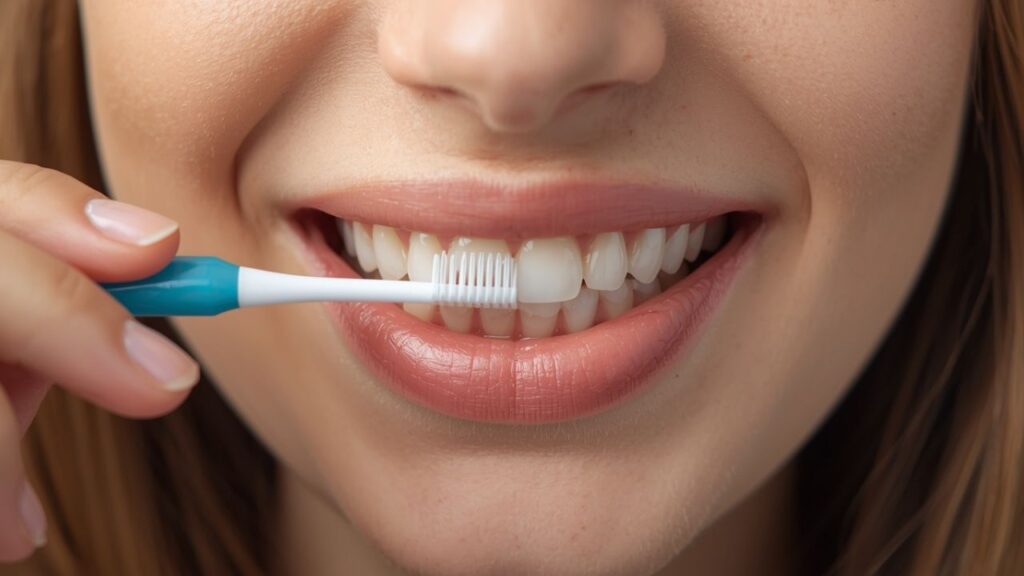
If you think of flossing as a way to save money, it can spur you on to not stop doing it. A floss teeth fillings costs little, but more complex work due to not caring for teeth can be high. If rot starts at the sides of a filling, it may have to be done again. A new filling is often bigger and harder to do, and rot may bring on a crown or root work. Such jobs cost much more and take longer than just one filling now. By just flossing some minutes daily, you guard from these high costs later, so it saves money and keeps you well.
Flossing with Fillings vs. Flossing Natural Teeth: Your Quick Guide
Do you ask yourself if fillings need unique flossing? This easy guide shows core ideas to aid your dental work.
| Aspect | Flossing WITH Fillings | Flossing NATURAL Teeth |
| Primary Goal | Protect the investment – Prevent decay at the filling’s edge and ensure its longevity. | Prevent new problems – Remove plaque to stop cavities and gum disease before they start. |
| Technique Focus | Extra gentle sawing motion – Never snap the floss, to avoid stressing the restoration. | Standard technique – Still gentle, but less risk of damaging the tooth structure. |
| Concern Level | Higher awareness – Watching for catches, snags, or rough edges on the filling. | Standard awareness – Focus on plaque removal and gum health. |
| Problem Signs | Floss consistently catching or shredding in one spot. | Bleeding gums, food stuck frequently. |
| Best Floss Type | Waxed floss or dental tape – Slides more easily without fraying. | Any comfortable floss – Personal preference based on spacing. |
| When to See a Dentist | If catching persists – Indicates a rough edge that needs polishing. | If bleeding persists – Indicates potential gingivitis. |
Key Advice: Gently floss routinely. Mindful flossing keeps fillings safe. Don’t force floss if stuck; see your dentist for a smooth fix. Prioritize daily flossing habits for your teeth to ward off later issues.
Conclusion
Being able to floss teeth that have fillings the right way is a key part of good mouth care. It lets you help keep your teeth healthy and safe, and it protects what you paid for to fix them. If you get why it matters, learn the soft moves, and know how to handle small worries, you can floss daily without fear. Normal, good flossing is a small but great trick to keep fillings strong and your own smile safe for always. You flossing the right way shows you care a lot about your mouth.
FAQs
1. Can flossing actually pull out a filling?
Not likely if the filling fits right and you’re soft. If floss snags a lot, the rough spot needs a dentist to fix. Floss with a soft saw-like move, don’t just snap.
2. How soon after a teeth fillings can I floss?
Usually, floss on the same day after having white fillings. Wait a day and be careful with brief fillings. The dentist tells you more for your own filling.
3. What type of floss works best around fillings?
Wax floss or tape floss often work fine because of simple sliding between teeth. Water flossers can aid wide gaps. Best floss to use routinely helps much.
4. Is bleeding normal when flossing around a new filling?
Some small bleeds may happen if you’re fresh or back to flossing. Still, ask your dentist when bleeding stays after one week of soft, steady flossing.
5. Why is flossing so important for filled teeth?
Floss gets off gunk near where the filling touches a tooth. This stops new rot that makes new holes at the edges of old fillings and hurts them.