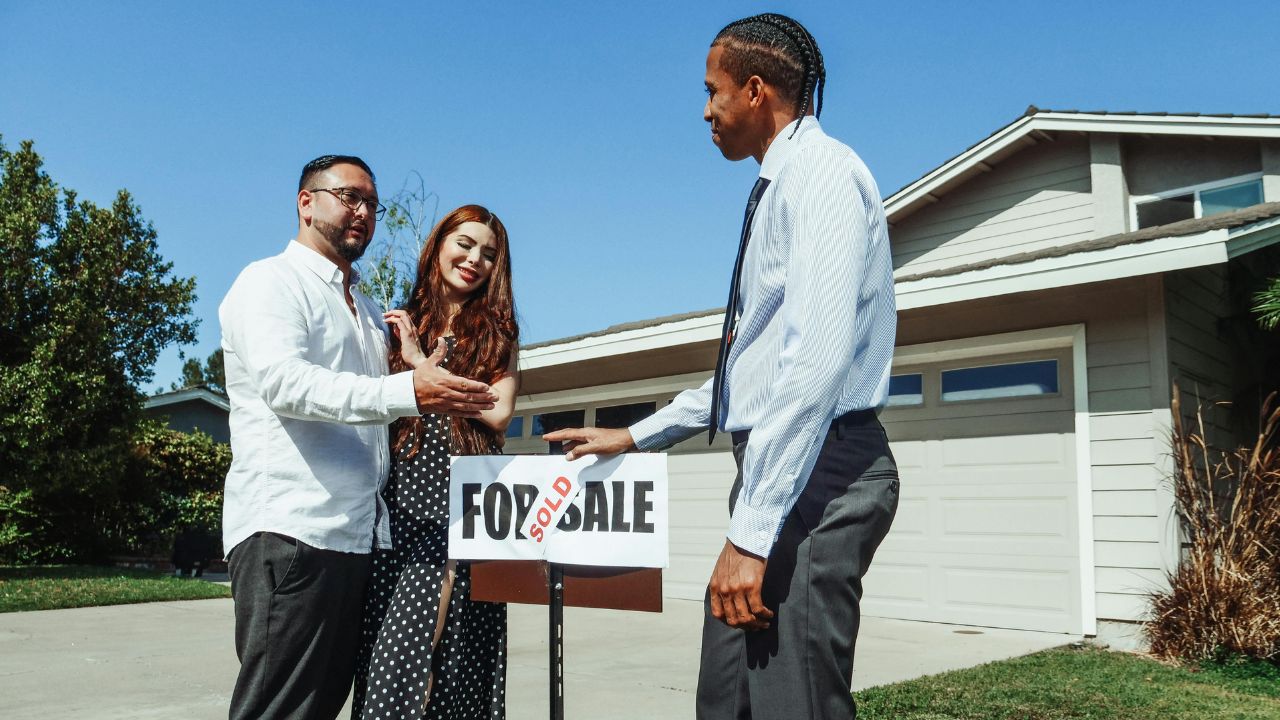
A pillar of the American experience is the ambition of owning a house, however for many the conventional route to homeownership seems to be unworkable. Tight financing criteria, credit score challenges, and large down payments can demoralize would-be homeowners. But another path becoming more and more common is owner finance for properties. By letting consumers buy a house straight from the seller, this creative solution helps them avoid the conventional bank financing process. Examining its advantages, risks, and how to negotiate this special road to homeownership successfully, this essay explores the realm of owner finance homes.

What are Owner Financed Properties? A Direct Path to Homeownership
Owner funded properties, sometimes referred to as seller financing, are a real estate transaction whereby the buyer receives financing from the seller, therefore acting as the lender. The buyer pays directly to the seller over an agreed-upon time with an agreed-upon interest rate rather than a mortgage from a bank or credit union. Both buyers and sellers can benefit from this arrangement; it gives purchasers an opportunity to own a house they might not otherwise be qualified for and gives sellers a maybe quicker sale and consistent cash stream.
The Benefits of Seller Financing: A Win-Win Scenario
For sellers as well as purchasers, owner financing has numerous very appealing benefits. For people with less-than-perfect credit, low down payment money, or trouble qualifying for conventional mortgages especially, it can be a lifeline to homeownership. Furthermore compared to conventional loans, it can provide faster closing times and more flexible conditions. Owner financing might draw more possible purchasers for sellers, so increasing the selling price and maybe accelerating the sale. The consistent income from the mortgage payments also helps them perhaps avoid capital gains taxes.
Exploring Alternative Financing Options: Beyond Traditional Mortgages
Although conventional mortgages are still the most often used path to homeownership, owner financing is a great choice particularly for people having difficulties with conventional funding. Government-backed programs like FHA loans, which have more flexible credit criteria and smaller down payments, and lease-to–own agreements, whereby the buyer rents the property with an opportunity to purchase it at a later date, are other alternative financing sources. Finding the greatest fit for your particular situation depends on investigating all the funding choices.
Understanding the Risks Involved: Protecting Your Interests
Owner financing has hazards for buyers and sellers just like any real estate transaction does. Should buyers neglect to make payments, the seller may foreclose on the home, therefore losing their investment. To prevent overpaying or inheriting unanticipated issues, they also must make sure the property is fairly valued and examined. Buyer default runs the danger for sellers, which could result in expensive foreclosure processes. To guarantee their capacity to pay back the loan, they also must closely screen any purchasers.

Finding Owner Finance Opportunities: Where to Look
Looking for owner financing calls for initiative. Search internet real estate listings first, especially looking for homes marked as “owner financed” or “seller financed.” Network with real estate brokers focused on alternative financing sources. Visit neighborhood real estate investment groups and get in touch with possible sellers willing to owner financing. As you drive around neighborhoods you are interested in, look for “For Sale By Owner” signs; these sellers may be more willing to talk about unconventional financing possibilities.
Negotiating the Terms: Crafting a Mutually Beneficial Agreement
In an owner finance agreement, meticulous negotiation of its provisions guarantees a fair and mutually beneficial arrangement. Bargain on important terms such as the purchase price, interest rate, down payment, loan term, payment schedule, and any penalties for late payments or default. Reviewing the agreement by a real estate professional will help you to safeguard your rights and guarantee adherence to all applicable laws. To arrive at a reasonably acceptable solution, be ready to compromise and establish common ground.
Legal Considerations: Ensuring a Secure Transaction
Transactions involving owner financing call for careful attention to complicated legal issues. Working with a qualified real estate attorney helps you create and analyze the financing agreement so it conforms with all relevant state and federal laws. Including clauses for foreclosure, insurance, property taxes, and maintenance, the agreement should precisely outline the rights and obligations of the buyer and seller. Protection of your investment and prevention of possible conflicts depend on proper legal paperwork.
Credit Scores and Owner Financing: A Second Chance
One of the main benefits of owner financing is that it usually gives those with less than ideal credit a second shot. Although a good credit score is usually advantageous, many sellers are ready to take consideration of purchasers with lower credit scores, particularly if they can provide a significant down payment and prove a consistent income. Rebuilding credit can benefit much from owner financing since regular on-time payments help to improve your credit score.

Down Payment Requirements: What to Expect
The seller, the property, and the general state of the market will all affect the down payment requirements for owner finance homes. Usually ranging from 10% to 20% of the purchase price, your down payment should be more than with a conventional mortgage. A bigger down payment lessens seller risk and shows your dedication to the property. To cover the down payment, be ready to haggle over inventive ideas including leveraging family presents, personal savings, or even asset sales.
Interest Rates and Loan Terms: Understanding the Costs
Usually, the buyer and seller bargain over the loan conditions and interest rates for owner finance properties. Reflecting the additional risk assumed by the seller, interest rates could be more than those offered by conventional lenders.Loan terms vary depending on the arrangement from a few years to more extended periods. Examining loan terms and interest rates is absolutely necessary to ensure you can comfortably afford the monthly payments and that the total cost of the loan is appropriate.
Foreclosure Procedures: What Happens if You Default
For buyers of an owner financing arrangement, knowledge of the foreclosure processes is absolutely vital. Like a conventional lender, the seller has the ability to seize on the house should you miss your mortgage payments. State rules and the particular provisions of the financing arrangement will affect the foreclosure procedure. Understanding your rights and obligations in the case of default is crucial, as is consulting legal counsel should you be facing foreclosure.
Tax Implications: Consulting a Professional
For sellers as well as buyers, owner financing deals have major tax ramifications. Like with a conventional mortgage, buyers usually can write off mortgage interest payments on their taxes. Using the installment sale approach lets sellers stretch out their tax responsibility over the course of the loan, therefore deferring capital gains taxes. See a qualified tax advisor to be sure you follow all pertinent tax rules and to understand the specific tax effects of owner financing.
Owner Financing vs. Lease-to-Own: Which is Right for You?
Though they differ in many important ways, owner financing and lease-to–own arrangements are two more routes to homeownership. Under owner financing, you pay the seller a mortgage straight away and take title of the property. Under a lease-to–own arrangement, you pay rent for a designated period with an option to buy it later. While lease-to–own gives more flexibility and a smaller initial outlay, owner financing usually calls for a bigger down payment and more immediate financial commitment. The ideal choice will rely on your personal long-term objectives and financial circumstances.
Tips for Success: Navigating the Owner Financing Process
Successful navigation of the owner financing process calls for professional direction, due diligence, and cautious planning. Research the market carefully first to fully appreciate the worth of the home you are looking at. To know your borrowing ability and to have a backup plan should owner financing prove unsatisfactory, get pre-approved for a conventional mortgage. To safeguard your interests and guarantee adherence to all relevant regulations, work with a skilled real estate attorney and tax consultant. Be ready to compromise and negotiate the parameters of the financing agreement to come at a mutually good outcome.
The Future of Owner Financing: A Growing Trend
Particularly in poor economic times and for those having trouble with conventional finance, owner financing is projected to keep becoming more and more popular as a substitute route to ownership. Owner financing and other creative financing solutions will probably become more crucial as the real estate market changes in enabling individuals to realize their ambition of owning a house. Understanding the advantages, hazards, and complexity of owner financing will help buyers and sellers negotiate this particular road to homeownership with success.
Difference Table
| Feature | Owner Finance Homes | Traditional Mortgages |
| Lender | Seller of the property | Bank, credit union, or other financial institution |
| Credit Requirements | Generally more flexible; may accept lower credit scores | Typically strict; requires good to excellent credit score |
| Down Payment | Can vary; may be negotiable | Typically requires a down payment (often 5-20%) |
| Interest Rates | May be higher than traditional rates, reflecting increased risk | Generally lower, market-driven rates |
| Loan Terms | Often shorter terms (5-10 years) with balloon payments | Typically longer terms (15-30 years) |
| Approval Process | Faster and simpler; bypasses bank underwriting | Lengthy and complex; involves extensive documentation and approval process |
| Closing Costs | Potentially lower; fewer fees | Can be substantial; includes appraisal, title insurance, origination fees, etc. |
| Flexibility | More flexible terms and negotiation options | Less flexible; standardized loan products |
| Risk for Buyer | Potential for unfavorable terms; risk of foreclosure if payments are missed | Lower risk if loan terms are favorable |
| Risk for Seller | Risk of buyer default; potential for foreclosure proceedings | Minimal risk; bank assumes the lending risk |
| Legal Documentation | Requires careful legal review and drafting of financing agreement | Standardized loan documents |
| Best For | Buyers with credit challenges, limited down payment, or seeking faster closing | Buyers with good credit and stable income seeking long-term financing |
| SEO Keywords | owner financing, seller financing, alternative financing, bad credit home loan | traditional mortgage, bank loan, conventional loan, FHA loan |
Owner Finance Homes: A Viable Path to Homeownership
For those who might not be qualified for conventional mortgages, owner finance homes provide a reasonable substitute route to homeownership. Although owner financing comes with certain hazards and complexity, its advantages for buyers and sellers can be rather great. You can effectively negotiate the world of owner finance homes and reach your real estate objectives by closely evaluating the terms, consulting professionals, and knowing the legal and financial ramifications.
FAQs
1. How does owner financing work?
Owner finance, sometimes known as seller financing, is the arrangement whereby a property’s seller serves as the lender, funding the buyer’s purchase. Unlike obtaining a mortgage from a bank, the buyer pays the seller straight-forward. This can help to reduce bank running expenses.
2. Is owner financing a good idea?
The particular circumstances will determine if owner financing makes sense. Although it can have advantages, the terms usually benefit the seller and the buyer bears large risk. Before signing an owner financing arrangement, thoroughly review the terms and get expert assistance.
3. How safe is owner financing?
Usually as safe as a conventional bank loan is true owner financing, in which the buyer gets the deed and the seller retains a lien (like a bank mortgage). Likewise apply the same laws to both. The seller just substitutes for the bank. This should be distinguished, though, from “rent-to–own” agreements, which might be riskier.
4. How long does owner financing typically last?
Usually running five to ten years, owner financing plans have shorter periods than conventional mortgages. Many agreements have a “balloon payment” at the end of the period whereby the remaining balance is paid in one big sum.
5. What happens if the buyer defaults on owner financing?
As stated in the financing agreement, the seller has the right to repossess the property should the buyer default on payments. The seller can then market the house once more.