
Few things have the ability of an alcombra to turn a boring room into an amazing one. Rooted in history but flexible enough to fit current design, this multipurpose floor covering gives any place warmth, texture, and individuality. This book will bring you through everything you need to know about selecting, dressing, and caring for whether your interests are in complex patterns, soft fabrics, or sustainable materials. Let’s see how your house might be redesigned with this classic accent piece.
What Is an Alcombra?
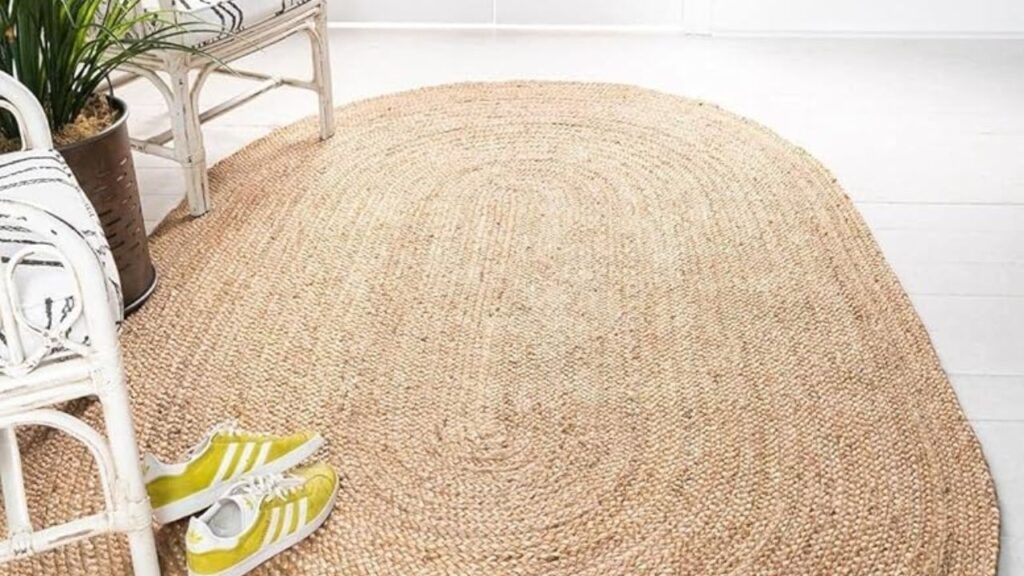
Often called a decorative rug or carpet, an is a textile floor covering distinguished by workmanship and visual attractiveness. Originating from handwoven patterns, natural dyes, and durable fabrics like wool, cotton, or jute, designs generally show hand woven patterns in areas including the Middle East, North Africa, and South Asia from artisanal traditions. Unlike mass-produced rugs, stresses quality and cultural legacy using themes that chronicle the communities of the weavers. Alcombra has grown today to fit modern homes by combining boho or minimalist designs with traditional processes. Whether the primary point or a subdued accent, it closes the distance between artistry and utility.
Types of Alcombra for Every Home
Alcombra comes in many forms to suit different preferences and requirements. Perfect for high-traffic spaces like living rooms, hand-knotted wool offers unparalleled durability and complex designs. Perfect for layering or seasonal swaps, flatweave alcombra—like kilims—is lightweight and reversible. Jute or sisal is biodegradable and gives organic texture for environmentally sensitive consumers. Modern versions call for geometric with strong lines for modern homes or vintage-inspired with fading colors for a shabby-chic vibe. Made from weather-resistant materials like polypropylene, outdoor stretches style to balconies and patios. Each type balances practicality with visual appeal.
Why Alcombra Belongs in Your Decor
More than just covers flooring, an grounds a room’s architecture. Its colors and designs help furniture, wall art, and accessories to be coordinated. In open-plan houses, it delineates areas without walls—like a dining room or reading nook. Alcombra’s tactile texture gives underfoot warmth, therefore transforming environments into cosy and pleasant places. Renters or frugal decorators will find it a low-commitment approach to update a room without improvements. Alcombra absorbs noise, which is great for homes or flats with hardwood flooring. It’s a chameleon that fits your vibe from bohemian to Scandinavian designs.
Choosing the Perfect Alcombra for Your Space
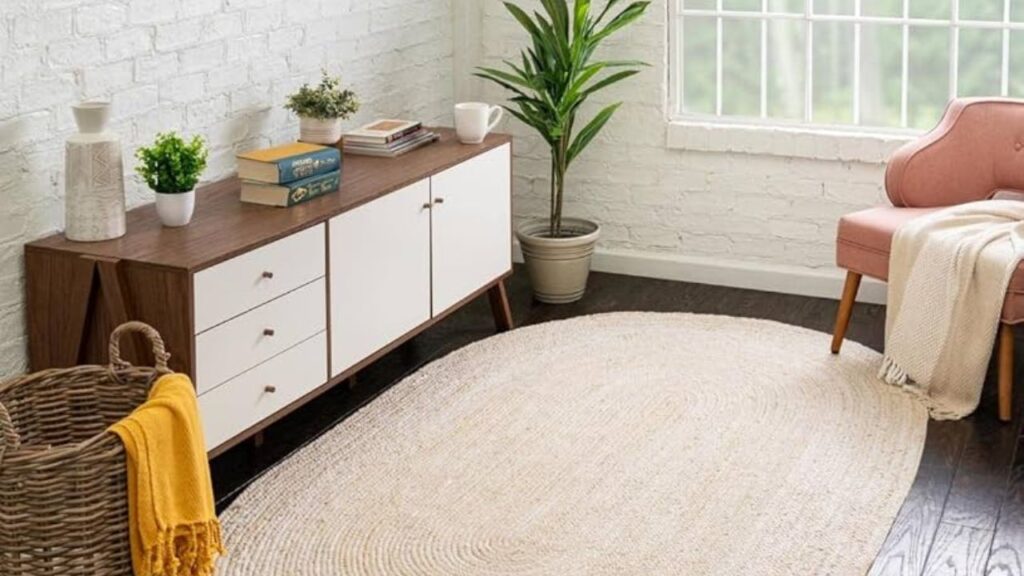
Picking the right alcombra starts with understanding your space. For small rooms, light-colored with subtle patterns can make the area feel larger. Bold, dark adds drama to spacious rooms but may overwhelm tighter spaces. Consider traffic: high-pile feels luxurious in bedrooms, while low-pile or flatweave suits entryways or kitchens. Match patterns to your decor—a floral complements traditional settings, while abstract designs align with modern minimalism. Always measure your area and leave 12–18 inches of bare floor around the for balance. Don’t forget rug pads—they prevent slipping and extend the alcombra’s life.
Caring for Your Alcombra: Tips for Longevity
To keep your looking pristine, regular maintenance is key. Vacuum once a week to get dust; steer clear of strong suction on fragile fibers. Every six months, turn it to prevent unequal wear from foot traffic or sunshine. Blot spills right away with a fresh cloth and light detergent; never rub since this may push stains farther. For wool alcombra, professional cleaning every 1–2 years preserves colors and texture. Store unused rolled (never folded) in a cool, dry place to prevent creases or moth damage. Natural fiber alcombra (like jute) should stay dry, as moisture can warp or mildew. With proper care, a quality can last decades.
Alcombra vs. Other Floor Coverings
Against carpets, rugs, or hardwood, how does stack? For renters, is more portable and easier to clean than wall-to- wall carpeting. Handcrafted uses environmentally safe materials and better workmanship than synthetic rugs. Though they are sleek, hardwood flooring lacks the warmth and noise-absorbing ability of alcombra. Area rugs are similar but often lack the cultural authenticity and durability of traditional. Alcombra is the ideal mix for people looking for something between artistry and utility.
Trending Alcombra Styles in 2023
This year, alcombra trends celebrate individuality and sustainability. Earth-toned in terracotta, sage, and ochre brings nature indoors, pairing well with biophilic decor. Abstract with asymmetrical shapes and mixed textures adds a modern edge. Vintage-lovers are embracing distressed with faded patterns for a lived-in feel. For maximalists, layered alcombra—mixing a large jute base with a smaller patterned piece—creates depth. Conscious shoppers find eco-friendly choices like recycled cotton or plant-dyed wool appealing as well.
Where to Find Authentic Alcombra
Authentic alcombra can be sourced from specialty stores, artisan markets, or ethical online retailers. Brands like Etsy and Fair Trade Winds offer handwoven pieces directly from global artisans. For luxury alcombra, Persian rug dealers or brands like ABC Carpet & Home provide certified options. Always check materials and weaving techniques—handmade may have slight imperfections, which add character. Local flea markets or vintage shops are goldmines for unique, pre-loved at lower prices.
DIY Alcombra Projects: Personalize Your Space
Breathe new life into old alcombra with DIY projects. Dye faded with fabric paint for a custom color block design. Add tassels or pom-pom borders for a playful touch. Turn smaller alcombra into wall hangings or pillow covers. For the crafty, try hand-tufting a simple using a tufting gun and yarn. These projects let you infuse personal style while reducing waste.
Sustainable Alcombra: Eco-Friendly Choices
As sustainability gains traction, alcombra makers are adopting greener practices. Look for GOTS-certified wool, which ensures ethical farming and dyeing. Recycled fabric repurposes textile waste into stylish designs. Brands like The Citizenry partner with artisans using natural dyes and renewable resources. Vintage or second hand is another planet-friendly option, reducing demand for new production. By choosing mindfully, you can enjoy beauty without environmental guilt.
Alcombra vs. Other Floor Coverings
| Feature | Alcombra | Regular Rugs/Carpets | Why It Matters |
| Craftsmanship | Handwoven by artisans, often featuring cultural motifs and storytelling. | Mass-produced with machine-made, repetitive designs. | Supports traditional craftsmanship and offers one-of-a-kind pieces. |
| Materials | Natural fibers (wool, jute, cotton) with eco-friendly dyes. | Often synthetic (polyester, nylon) or chemical-treated fabrics. | Healthier for homes (non-toxic) and eco-conscious; ideal for allergy sufferers. |
| Design Depth | Timeless patterns rooted in cultural heritage (e.g., tribal, geometric). | Trend-driven or generic prints lacking cultural significance. | Adds authenticity and depth to interior design, sparking conversation. |
| Sustainability | Ethically sourced materials, biodegradable options, and fair-trade practices. | Often involves fast-fashion practices and plastic-based fibers. | Reduces environmental impact and aligns with eco-friendly lifestyles. |
| Durability | Built to last decades with proper care; ages gracefully. | Prone to wear, fading, or pilling within a few years. | Saves money long-term and reduces waste from replacements. |
| Versatility | Blends seamlessly with boho, modern, rustic, or eclectic decor styles. | Limited to specific aesthetics (e.g., modern or traditional). | Adapts to evolving tastes, making it a timeless investment. |
| Acoustic Benefits | Absorbs noise, ideal for open spaces or homes with hardwood floors. | Thin rugs or carpets offer minimal sound dampening. | Creates quieter, cozier living environments. |
| Maintenance | Requires gentle care (spot-cleaning, rotation) but rewards with longevity. | Often machine-washable but degrades quickly with heavy use. | Encourages mindful ownership and preserves heirloom quality. |
Why Alcombra Deserves Your Attention
More than just a floor covering, alcombra is a storyteller, a comfort provider, and a design anchor. It provides countless opportunities to convey your own style by bridging ages, cultures, and designs. makes places into sanctuaries whether your investment is in a fashionable flatweave or a hand-knotted relic. So go ahead and choose the thing that appeals to you then let it enchant your house.
FAQ’s
1. What’s the difference between alcombra and regular rugs?
Alcombra emphasizes handcrafted quality and cultural designs, while regular rugs are often mass-produced.
2. Can alcombra work in small spaces?
Yes! Choose smaller sizes and less colors to prevent overwhelming the space.
3. How do I clean natural fiber alcombra?
Vacuum gently and spot-clean with mild soap; avoid moisture for jute or sisal.
4. Are vintage alcombra pieces durable?
Yes, if well-maintained—check for intact stitching and minimal wear.
5. Where can I buy eco-friendly alcombra?
Look for GOTS-certified brands or recycled material options online.