
Chicken backs are your new kitchen super hero if you want to give soups, stews, and broths great taste without going broke. Often underappreciated, these modest cuts—the spine, ribs, and fragments of meat left after processing—packed with collagen, marrow, and strong savory taste Whether you’re a meal-prepper or a home cook, this book will show you how to share simple recipes, uncover the magic of chicken backs, and justify why they belong in your freezer. Let us start right now!
What Are Chicken Backs?
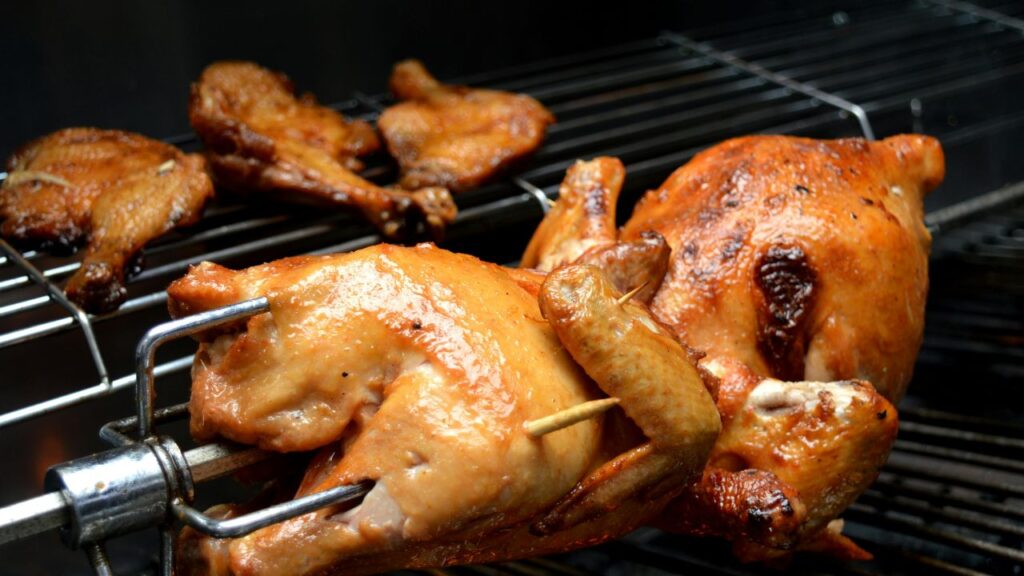
The bony portions of the which comprise the spine, ribs, and minute amounts of meat—are known as backs. Usually leftovers from butchering breast, thighs, and wings, they are a reasonably priced ingredient. Their real worth is in their collagen-rich bones and marrow, which give broths and soups body and depth even if they are not as meaty as drumsticks or wings. Chicken backs are treasured in many cultures for their umami taste-infusing power. Usually offered in bulk, you can get them at grocery stores, farmers’ markets, or butcher shops.
Why Chicken Backs Are a Kitchen Staple
Though they lack glitz, are a secret weapon for great cuisine. Simmering their high collagen content turns down into gelatin gives the brother a smooth texture and rich mouthfeel. Comprising a fraction of whole chickens or boneless parts, they are also reasonably priced. Chicken backs are ideal for batch-cooking stocks or stews that freeze nicely for meal planners. Using them also helps to cut food waste, so benefiting the earth and your pocketbook. Consider them as the basis for gravies, soups, or even dog food (yes, dogs enjoy them too!).
How to Cook Chicken Backs for Maximum Flavor
Slow-cooking is essential if one wants to maximize backs. Start by roasting them in the oven at 400°F (200°C) for 20 to 30 minutes until golden brown—this caramelizes the bones and meat, therefore adding richness to your dish. To make a rich stock, stew vegetables including onions, carrots, and celery in water for two to four hours. Toss stew ingredients—tomatoes, herbs, beans—into a crockpot on low heat to gently tenderize the beef. For pressed for time, pressure cookers like Instant Pots can extract taste in less than an hour. Remember to skim off extra fat right after cooking!
Top Recipes Using Chicken Backs
Recipes stressing their strong, savory taste will highlight backs’ brilliance. Simmer backs with garlic, bay leaves, and peppercorns for a foundation that surpasses store-bought broth in a basic stock. Make and rice soup for something savory; add cooked backs to a saucepan including rice, vegetables, and thyme. In Caribbean cooking, they are combined with yams and Scotch bonnet peppers in chicken foot soup—yes, really! Pining for comfort cuisine? Cook them in a tomato-based sauce with potatoes and top polenta with them. Marinated in soy sauce and honey, grilled backs can make a sticky-sweet appetiser.
Nutritional Benefits of Chicken Backs
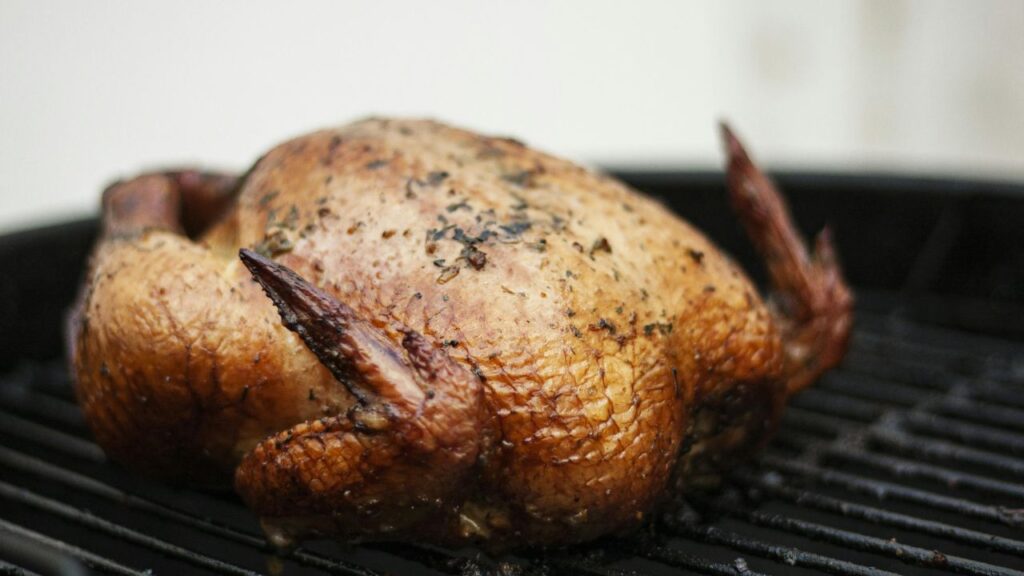
Don’t minimize the health advantages of chicken backs. Collagen loaded in their bones and connective tissues improves gastrointestinal function, skin elasticity, and joint health. They also provide zinc, iron, and protein really nicely. Though they have more fat than lean cuts like breasts, most of it is cooked off. Refrigerate your broth after cooking it for a healthier twist; the fat will rise to the top and removal is simple. Just keep in mind: moderation is essential, particularly in view of cholesterol.
Where to Buy Chicken Backs (and How to Store Them)
Finding backs is not as difficult as you would believe. Meat markets or local butchers sometimes charge 1–3 per pound. Frozen sections of grocery shops such as Walmart or Kroger may feature them under labels such as “soup bones,” “chicken backs.” If you are buying fresh, search for pinkish, odorless bones. Store them in airtight bags for up to six months; they will be fresh and ready for your next cooking session. Freeze them Pro tip: To always be ready for stock-making, save vegetable wastes—such as carrot tops or onion peels—in the freezer.
Chicken Backs vs. Other Chicken Cuts
Against popular cuts like wings or thighs, how do chicken backs rank? Although wings and thighs are meatier and better for grilling or fried, backs shine in slow-cooked meals where their bones and collagen show. For new chefs, they are less frightening and simpler to handle than necks or feet. Though less fatty than skin-on thighs, nutritionally they are like chicken feet—high in collagen. They are a better buy than boneless breasts for frugal cooks as you receive more flavor for every dollar.
How Chicken Backs Reduce Food Waste
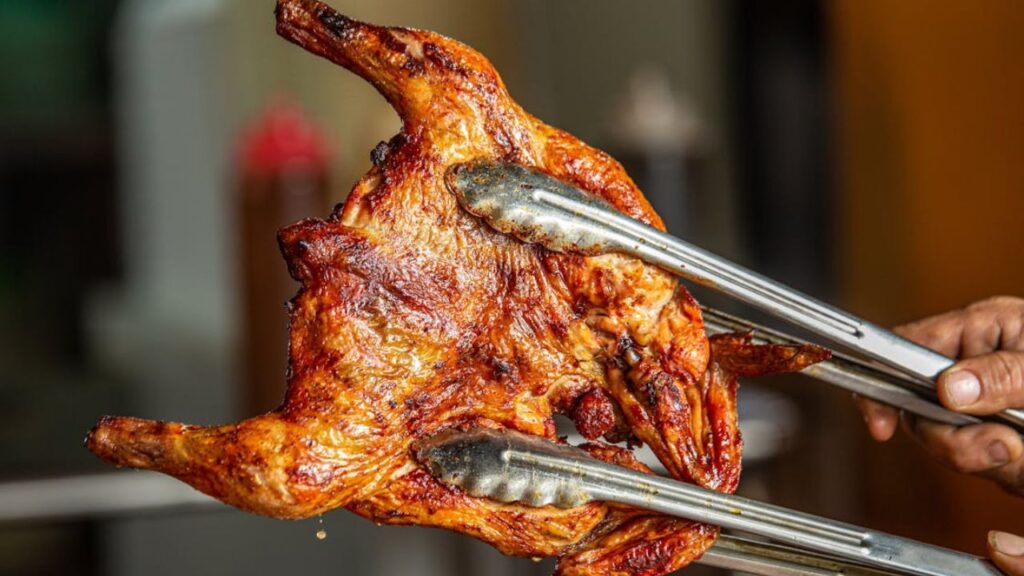
Adopting chicken backs is a modest beginning toward environmentally friendly cuisine. Using portions of the chicken that are usually thrown away helps you to support a “nose-to- tail” strategy that honors the animal and lowers landfill waste. Many food activists and chefs support this approach as it is cheap and environmentally friendly. Made-from-backs homemade broth also reduces store-bought cartons, therefore minimizing plastic packaging. This is an easy approach to improve the greenness of your kitchen.
Common Mistakes to Avoid When Cooking Chicken Backs
Even simple ingredients can go wrong. Avoid these pitfalls with chicken backs:
- Skipping the roast: Raw backs make bland broth—always brown them first.
- Overcrowding the pot: Too many backs can make broth greasy. Use 2–3 per quart of water.
- Boiling too hard: A gentle simmer extracts flavor without clouding the broth.
- Forgetting to skim: Remove foam and fat early for clearer, cleaner-tasting stock.
- Throwing away meat: After simmering, pick off any tender bits for soups or salads.
Global Dishes That Celebrate Chicken Backs
Around the world, chicken backs are stars in traditional recipes. In Jamaica, they’re simmered in manish water soup with green bananas and peppers. Filipino tinola uses backs in a ginger-and-chayote stew. Southern U.S. cooks add them to collard greens for smoky depth, while Korean chefs slow-cook them in sulungtang (ox bone soup) for extra richness. These dishes prove that chicken backs are anything but “scraps”—they’re cultural treasures.
Chicken Backs vs. Other Cuts
| Feature | Chicken Backs | Other Chicken Cuts | Why It Matters |
| Cost | Extremely budget-friendly ($1–3 per pound). | Breasts, wings, or thighs cost 2–5x more. | Saves money without sacrificing flavor—ideal for meal preppers or large families. |
| Flavor Depth | Rich in collagen and marrow, adding silky texture and umami to broths/stews. | Lean cuts (breasts) lack collagen; thighs add meatiness but less depth. | Creates restaurant-quality soups and sauces at home. |
| Nutritional Value | High in collagen (supports joints/skin) and minerals like iron and zinc. | Breasts offer lean protein; wings/thighs have more fat. | Boosts health while making meals tastier. |
| Sustainability | Reduces food waste by using often-discarded parts. | Popular cuts require more resources per pound. | Eco-friendly choice for planet-conscious cooks. |
| Cooking Versatility | Perfect for slow-cooked dishes: stocks, soups, braises, or pet food. | Best for grilling, frying, or quick meals (e.g., chicken breasts). | Fits low-effort, long-cook recipes that build deep flavor. |
| Global Appeal | Star in Caribbean, Filipino, and Korean comfort dishes (e.g., tinola, sulungtang). | Wings/thighs dominate American/European cuisines. | Let home cooks explore authentic international flavors. |

Why Chicken Backs Deserve a Spot in Your Kitchen
Though not the most beautiful cut, chicken backs are a powerhouse of taste, nutrition, and cost. They present countless opportunities whether your interests are in cooking world cuisines, cutting food waste, or boiling a soul-warming stock. When you next see them at the grocery, get a pack; your taste receptors, wallet, and soups will thank you.
FAQs
1. Are chicken backs safe to eat?
Certainly! Thoroughly cook them in soups or stocks.
2. Can I substitute chicken backs for other cuts?
Although necks or wings come in handy, broths are where they shine.
3. Do chicken backs have meat?
Indeed, although not as excellent for slow-cooked cuisine as thighs or breasts.
4. How long does chicken back broth last?
Freeze for three months or keep in the refrigerator for three to four days.
5. Are chicken backs gluten-free?
Indeed, as long as they lack additional pre-seasoning.